
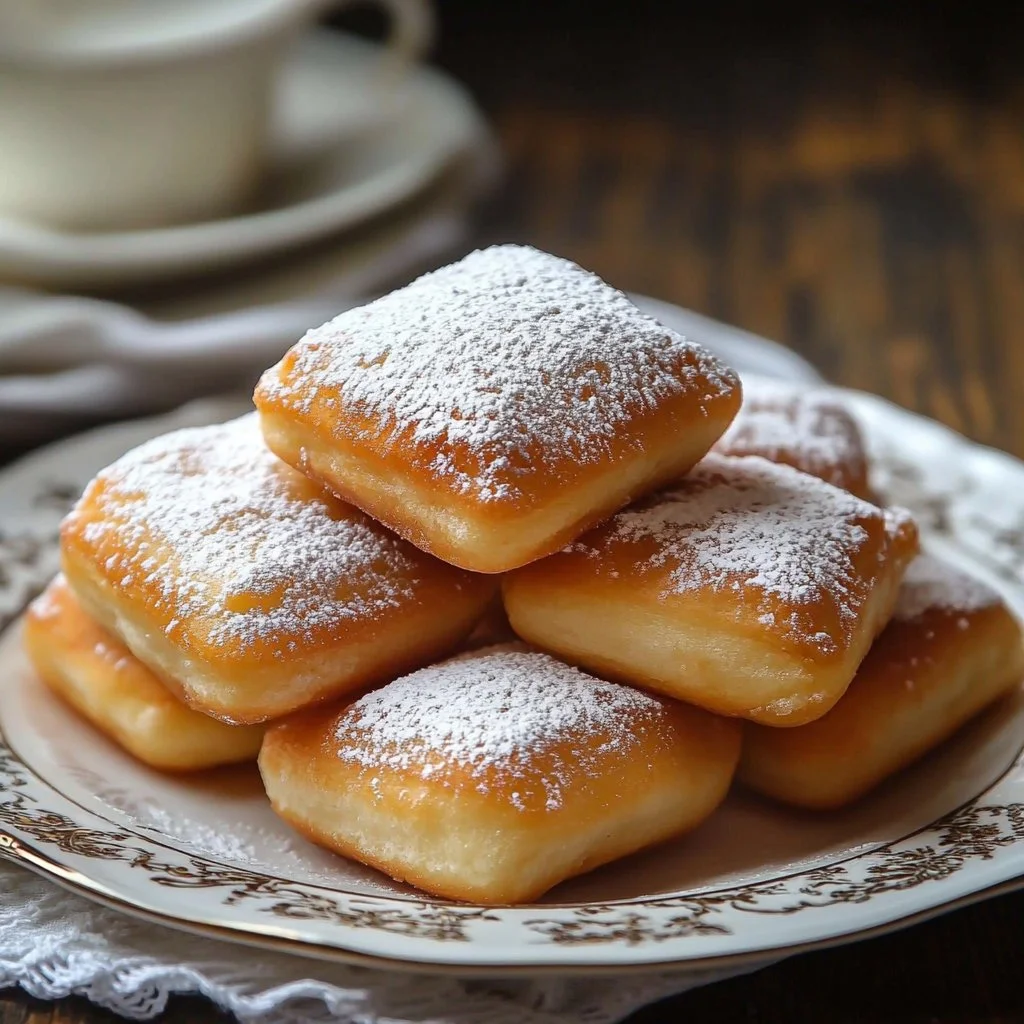
I still remember the first time I dusted these warm, puffy squares with powdered sugar — the kitchen filled with a sweet, vanilla-scented steam and everyone lined up for seconds. Vanilla French beignets are a quick, old-fashioned treat: pillowy fried dough lightly sweetened and perfect for brunch, dessert, or a weekend indulgence. They’re surprisingly simple to make at home, and if you’re planning a brunch spread, they pair wonderfully with a stack of crispy French toast for a true café feel.
Why you’ll love this dish
These beignets hit a sweet spot between simplicity and decadence. The batter uses pantry staples, comes together fast, and yields light, airy bites that are universally kid-approved. They’re ideal when you want something special without a long list of steps — think family brunches, holiday mornings, or a cozy weekend dessert.
"Light on the inside, golden and crisp outside — exactly what I hoped for. Simple to make and gone within minutes." — A happy home baker
Beyond taste, they’re budget-friendly and flexible. The dough rests only briefly, so you get fresh-fried beignets without an all-day commitment. Plus, because they’re cut into squares or diamonds, they’re great for sharing at gatherings.
Step-by-step overview
You’ll whisk dry ingredients, beat the wet ones, combine into a soft dough, let it hydrate briefly, then roll and cut. Heat oil to the right temperature, fry until puffed and golden, drain, and dust with powdered sugar while warm. Expect about 20–30 minutes from start to finish once the oil is heated.
What you’ll need
- 2 cups all-purpose flour
- 2 tablespoons granulated sugar
- 1 tablespoon baking powder
- 1/2 teaspoon salt
- 3/4 cup milk (whole milk gives richer flavor; use 2% or a non-dairy milk like oat for a lighter option)
- 1 large egg (for egg-free, try a commercial egg replacer or 1/4 cup applesauce — texture will change)
- 1 teaspoon vanilla extract (pure vanilla brings the best aroma)
- Oil for frying (neutral oil with a high smoke point: canola, vegetable, or peanut)
- Powdered sugar for dusting
Notes: If you only have self-rising flour, omit the baking powder and salt. For a slightly crisper exterior, replace 1/4 cup of the flour with cornstarch.
Step-by-step instructions
- In a large bowl, whisk the flour, sugar, baking powder, and salt until evenly combined.
- In a separate bowl, beat the milk, egg, and vanilla until smooth.
- Pour the wet mixture into the dry mixture. Stir gently until a soft dough forms; avoid overmixing.
- Let the dough rest for 5–10 minutes so the flour hydrates and the texture relaxes.
- Lightly flour a work surface. Roll the dough to about 1/2-inch thickness.
- Use a knife or pastry cutter to cut the dough into squares or diamonds about 1½–2 inches across.
- Heat oil in a deep fryer or heavy pan to 350°F (175°C). Use a candy or frying thermometer for accuracy.
- Fry a few pieces at a time. Don’t overcrowd the oil. Turn as needed until each piece is puffed and golden, about 2–3 minutes per batch.
- Transfer beignets to paper towels to drain briefly. Dust generously with powdered sugar while still warm and serve.
Safety tip: Keep children away from the hot oil and never leave frying unattended. If oil smokes, lower the heat and carefully remove the pan from the burner.
Best ways to enjoy it
Serve these beignets straight from the pan dusted with powdered sugar. They’re delightful on their own, but try these pairings:
- A bowl of fresh berries or a quick berry compote for contrast.
- A drizzle of warmed chocolate or salted caramel for dipping.
- Coffee, café au lait, or a vanilla latte to match the beignets’ flavor.
For a brunch spread, place them alongside a slice of French butter cake and some seasonal fruit for a bakery-style presentation.
Plating idea: Stack three beignets and tilt a dusted one on the side, scatter berries around, and serve powdered sugar in a small sieve at the table so guests can add more.
Storage and reheating tips
Leftovers are best the same day. To store:
- Short-term: Keep cooled beignets in an airtight container at room temperature for up to 24 hours. Powdered sugar will dissolve over time, so re-dust before serving.
- Refrigerator: Not ideal — refrigeration makes them soggy. Only refrigerate if you must and consume within 48 hours.
- Freezing: Freeze on a tray in a single layer until firm, then transfer to a freezer-safe bag for up to 1 month. Reheat from frozen.
Reheating: Warm beignets in a 350°F (175°C) oven for 5–7 minutes or use an air fryer at 320°F for 3–4 minutes to restore crispness. Avoid microwaving unless you’re willing to accept a softer texture.
Food safety note: Cool beignets to room temperature before refrigerating. Discard any fried goods left out over 2 hours at room temperature.
Helpful cooking tips
- Use a thermometer. Oil temperature is the single biggest factor in successful frying. Too cool and beignets absorb oil; too hot and they brown outside before puffing.
- Don’t overcrowd. Fry in small batches so oil temperature stays steady and pieces have room to expand.
- Powder sugar while warm. Warm beignets grab and hold the powdered sugar better for that classic look and sweetness.
- Keep dough slightly sticky. If it feels dry, add a teaspoon of milk at a time until it comes together; overworking creates tough pieces.
- Try a test fry. Fry one small piece first to check texture and color, then adjust heat as needed.
Creative twists
- Filled beignets: Pipe in pastry cream, Nutella, or lemon curd after frying with a piping tip.
- Spiced sugar: Toss warm beignets in cinnamon sugar for a snickerdoodle twist.
- Citrus-vanilla: Add 1 teaspoon lemon or orange zest to the dough for a bright note.
- Gluten-free: Use a 1:1 gluten-free flour blend and add 1/4 teaspoon xanthan gum if your blend lacks it. Texture will differ.
- Mini beignets: Cut smaller pieces for bite-sized treats — great for parties or kids.
Common questions
How long does the dough take to rest?
Just 5–10 minutes. That short rest hydrates the flour and makes the dough easier to roll. You don’t need a long proofing time because this recipe uses baking powder, not yeast.
Can I bake these instead of frying?
Yes, for a lower-fat option. Brush or spray the cut dough with oil and bake at 425°F (220°C) on a parchment-lined sheet for about 10–12 minutes, flipping once, until golden. They’ll be more like pastries than traditional fried beignets.
What’s the best oil to use for frying?
Choose a neutral oil with a high smoke point: canola, vegetable, sunflower, or peanut oil are good options. Avoid olive oil — it has a lower smoke point and a stronger flavor.
Can I prepare the dough ahead of time?
You can make the dough, wrap it tightly, and refrigerate for up to 24 hours. Bring it to room temperature before rolling and cutting to make handling easier.
How many beignets does this recipe make?
Yield depends on the size you cut, but expect roughly 12–16 medium pieces from this batch when rolled to 1/2 inch thickness. Adjust cut size to serve more or fewer people.
If you want a shortcut for a similar brunch vibe, consider pairing these with quick-to-make French toast or an easy butter cake for an indulgent spread.

Vanilla French Beignets
Ingredients
Method
- In a large bowl, whisk the flour, sugar, baking powder, and salt until evenly combined.
- In a separate bowl, beat the milk, egg, and vanilla until smooth.
- Pour the wet mixture into the dry mixture. Stir gently until a soft dough forms; avoid overmixing.
- Let the dough rest for 5-10 minutes to hydrate.
- Lightly flour a work surface and roll the dough to about 1/2-inch thickness.
- Cut the dough into squares or diamonds approximately 1½–2 inches across.
- Heat oil in a deep fryer or heavy pan to 350°F (175°C).
- Fry a few pieces at a time, turning until puffed and golden, about 2-3 minutes per batch.
- Transfer beignets to paper towels to drain briefly.
- Dust generously with powdered sugar while still warm and serve.